Introduction
In the world of modern manufacturing, “close enough” is never good enough. Whether it’s a life-saving medical device or a critical aerospace component, the margin for error is often thinner than a human hair. This is where precision machining comes into play.
But what is precision machining, and why is it considered the backbone of the global industrial economy? In this guide, we will break down the definition, the technology involved, and why tight tolerances are the secret to high-performance hardware.
Understanding Precision Machining: A Definition
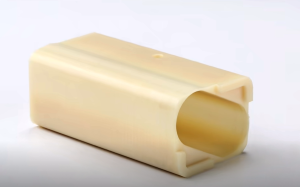
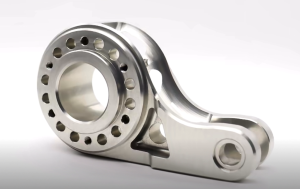
Precision machining is a specialized manufacturing process that utilizes advanced technology and skilled engineering to create parts, tools, and hardware that adhere to extremely tight specifications.
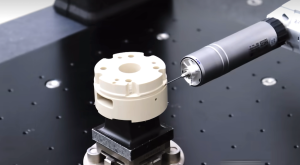
Unlike standard machining, precision machining focuses on maintaining strict process controls and tight tolerances. It is the art of pushing the limits of materials science and design feature creation. By utilizing the highest function of CNC programs, engineering talent, and cutting-edge equipment, manufacturers can produce components that function flawlessly under extreme conditions.
The Three Pillars of Precision
- Accuracy: Meeting the exact dimensions defined in the digital blueprint.
- Repeatability: The ability to produce thousands of identical parts with zero deviation.
- Durability: Ensuring parts can withstand mechanical stress, climate extremes, and wear.
How Precision Machining Has Evolved
Precision machining has undergone a massive transformation. It has evolved from manual craftsmanship into a sophisticated marriage of computer-controlled design and human engineering.
Modern precision machining is driven by advancements in:
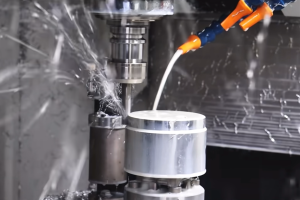
- Fluid Dynamics: Managing coolants and lubricants to maintain thermal stability during cutting.
- Chemical Control: Understanding how different materials react to the machining environment.
- Mechanical Durability: Creating features that survive high-pressure and high-friction applications.
The “art” of this field lies in its ability to deliver a highly controlled output that satisfies the rigorous demands of modern hardware technologies.
The Core Components of the Precision Process
To achieve sub-micron accuracy, the manufacturing process must be a seamless loop of digital and physical actions.
1. CAD and CAM Programming
The process begins with Computer-Aided Design (CAD) and Computer-Aided Manufacturing (CAM). This digital foundation allows engineers to design unique features that were once impossible to create. The software translates human creativity into precise geometric coordinates for the machines to follow.
2. CNC Machine Tools
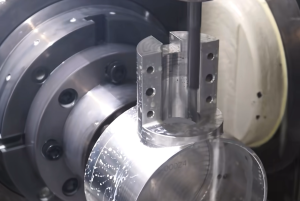
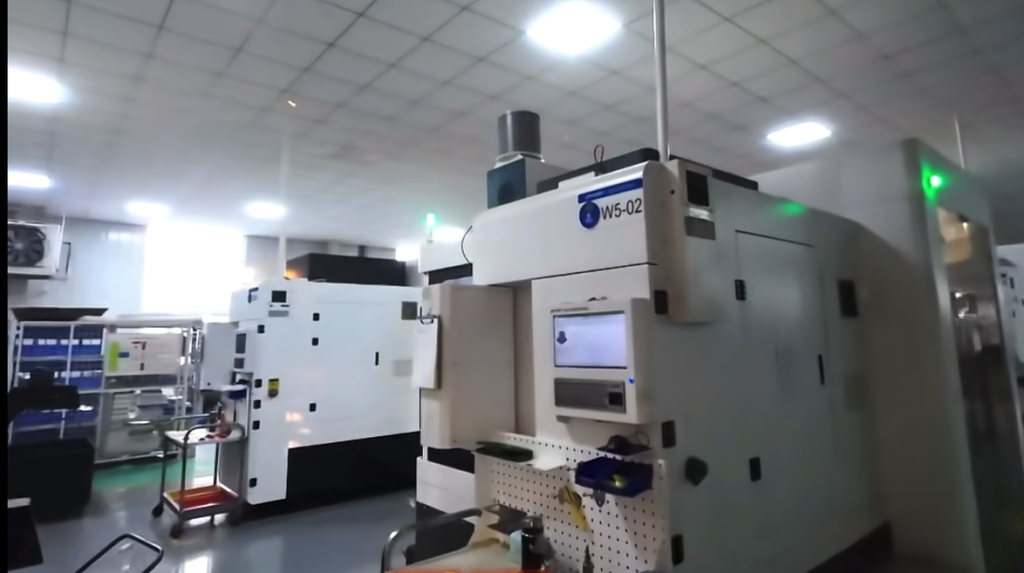
The heart of the operation is the CNC (Computer Numerical Control) machine. Whether it’s a 5-axis mill, a precision lathe, or an Electrical Discharge Machine (EDM), these tools are the pinnacle of equipment technology, designed to perform operations under the tightest defined tolerances.
3. Human Engineering Talent
Despite the automation, the human element remains vital. Skilled engineers must interpret complex material sciences, choose the right cutting tools, and adjust for environmental variables like temperature and humidity to ensure the stability of the final product.
Why Tight Tolerances Matter in Modern Manufacturing
If an object is made up of many small parts—such as a jet engine or a smartphone—those parts must fit together with absolute precision.
- Interchangeability: Precision machining ensures that a replacement part made today will fit perfectly into a machine made five years ago.
- Functional Integrity: In fields like fluid dynamics, even a microscopic burr or a slight deviation in a curve can cause turbulence and lead to system failure.
- Material Efficiency: High-precision processes minimize waste, which is essential when working with expensive materials like titanium or specialized alloys.
Key Industries Relying on Precision Machining
Precision machining is not just a luxury; it is a necessity for the “essential” technologies we use every day.
| Industry | Primary Use Case |
| Aerospace | Turbine blades, fuel nozzles, and structural components. |
| Medical | Surgical instruments, orthopedic implants, and heart valves. |
| Automotive | High-performance engine parts and transmission gears. |
| Electronics | Semiconductors, heat sinks, and micro-connectors. |
| Energy | Components for wind turbines and high-pressure oil/gas valves. |
The Benefits of Precision Machining for Businesses
For manufacturers and product designers, investing in precision machining offers several competitive advantages:
- Enhanced Performance: Parts perform better and last longer when they are made to exact specifications.
- Reduced Failure Rates: Tight tolerances lead to fewer mechanical breakdowns and recalls.
- Scalability: Advanced CNC programs allow for consistent, repeatable output, making it easier to scale production from prototypes to mass manufacturing.
Conclusion: The Future of Precision Manufacturing
As technology continues to advance, the definition of “precision” will only become more demanding. The ongoing evolution of precision machining—pushed by advancements in software, material science, and climate-controlled manufacturing—will continue to enable the creation of the world’s most sophisticated hardware.
By merging the highest functions of modern tools with human engineering talent, precision machining ensures that our modern world remains stable, accurate, and consistently moving forward.
Looking for Precision Machining Services?
Precision is the difference between success and failure. If your next project requires the highest level of accuracy, stability, and durability, contact our team of engineering experts today to learn how we can bring your designs to life with unmatched precision.