High-precision CNC milling.Complex parts made reliably.
3-axis, 4-axis and 5-axis CNC milling services for custom metal and plastic components—from functional prototypes to low-volume and repeat production.
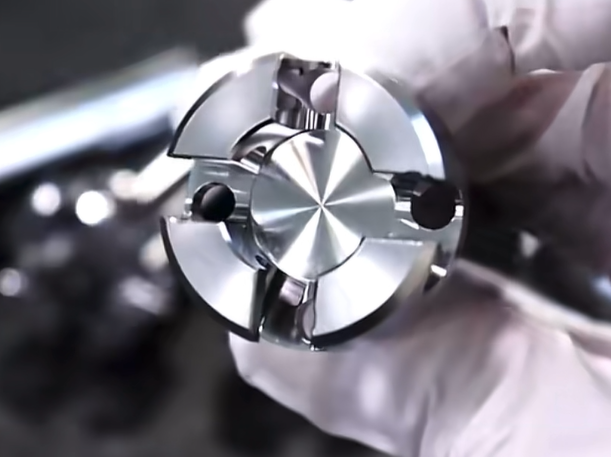

Accurate features across complex prismatic parts.
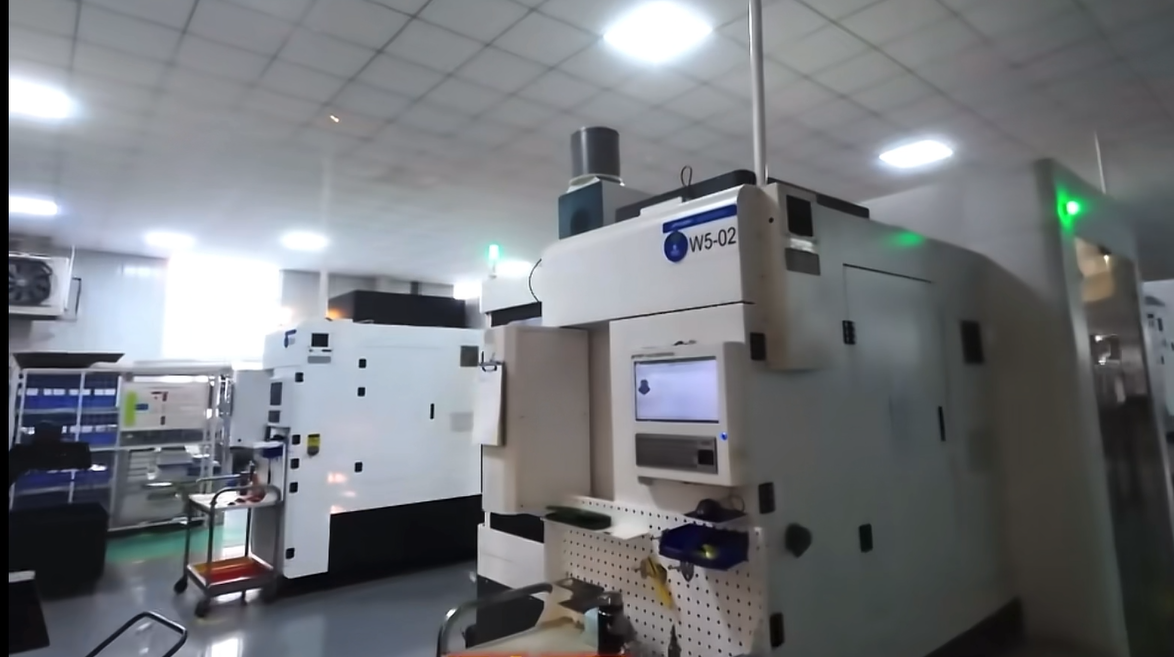
JC Precision Craft machines custom housings, brackets, plates, manifolds, heat sinks, fixtures and other multi-feature parts from customer CAD files and drawings.
Our engineering team reviews geometry, workholding, datum strategy, tool access, wall thickness, tolerance and surface finish before production. This helps reduce setup risk and choose an efficient 3-axis, 4-axis or 5-axis milling route.
Select the right machine configuration.
The number of controlled axes affects tool access, setup count, geometric complexity and machining efficiency.
3-Axis CNC Milling
Efficient machining for flat surfaces, pockets, drilling patterns and accessible features.
- Plates and fixture components
- Simple housings and brackets
- Prototype and production parts
4-Axis CNC Milling
Rotary positioning enables machining around cylindrical or multi-sided components.
- Features around part circumference
- Reduced manual repositioning
- Improved feature relationship
5-Axis CNC Milling
Advanced tool orientation for contours, angled features, deep cavities and multiple faces.
- Complex freeform geometry
- Fewer setups and datum transfers
- Better access and surface continuity
CNC milled components we produce.
Milling is suited to complex prismatic parts with multiple faces, pockets, bores, threads, slots and controlled datums.
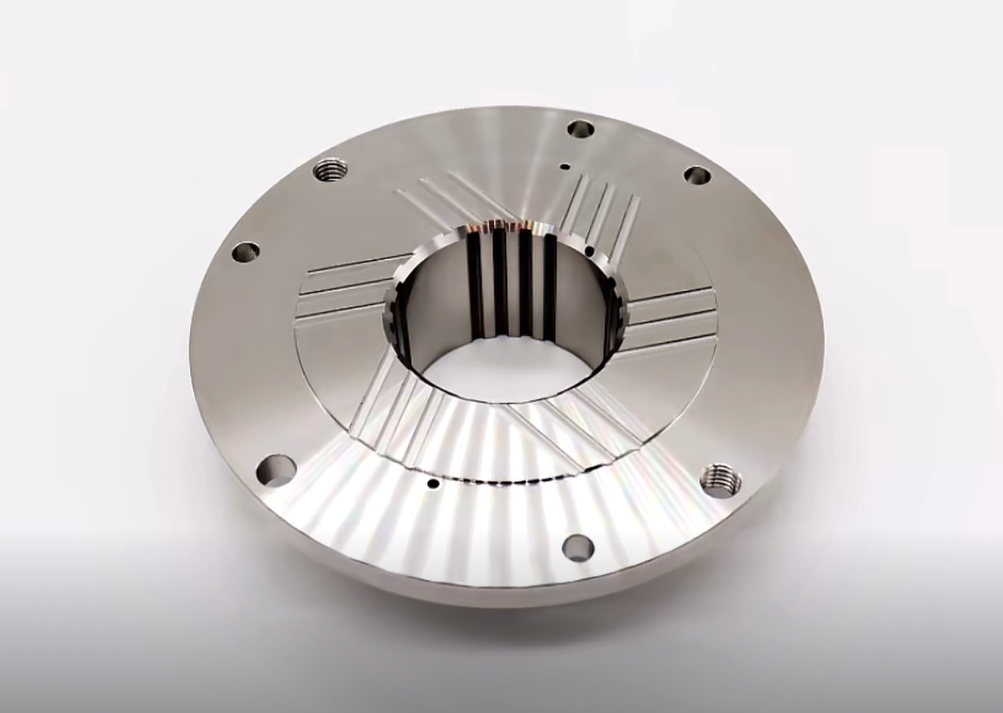
Housings & Enclosures
Precision cavities, sealing faces, connector openings and mounting features.
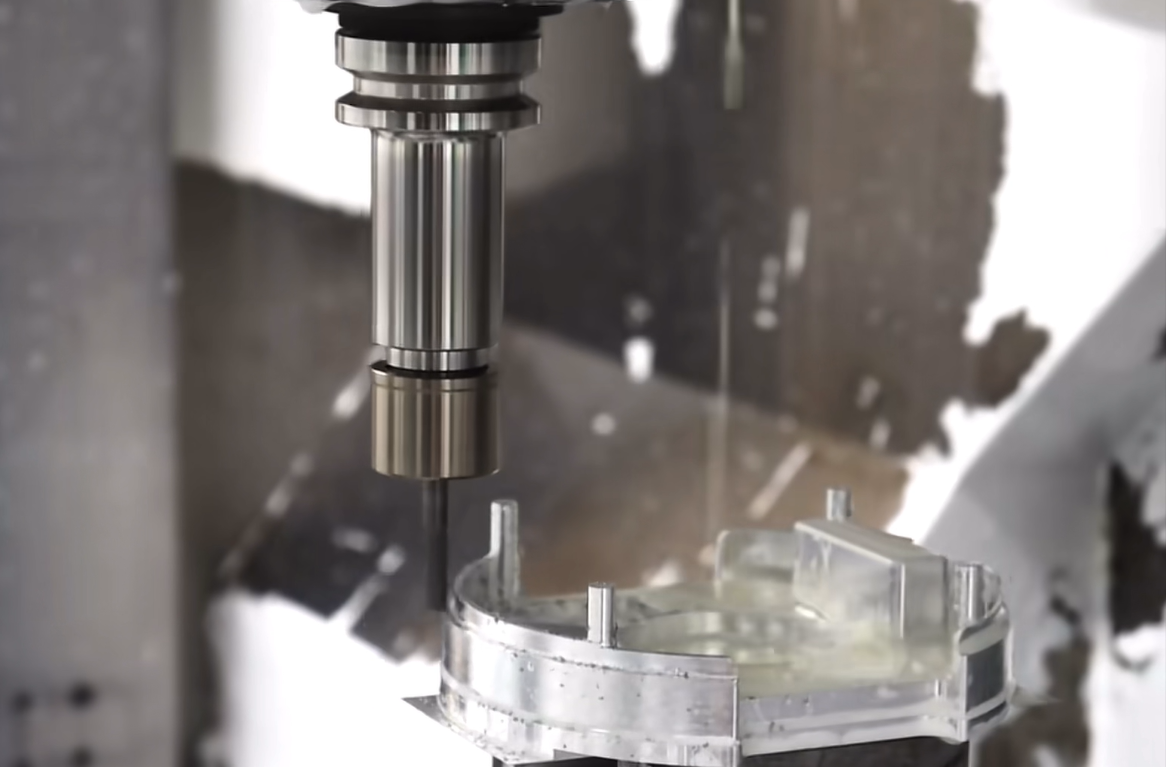
Brackets & Structures
Lightweight pockets, ribs, bores and controlled mounting interfaces.
Manifolds & Fixtures
Port patterns, sealing surfaces, precision holes and repeatable datums.

Heat Sinks & Plates
Thin fins, flatness control, threaded holes and thermal interfaces.
Metals and plastics for functional parts.
Material selection should reflect mechanical load, weight, temperature, corrosion, conductivity, wear, appearance and budget.
Aluminum
Excellent machinability and strength-to-weight ratio for aerospace, automotive and electronics parts.
6061 · 7075 · 5052 · 2024Stainless Steel
Strength and corrosion resistance for medical, industrial, food and marine equipment.
304 · 316 · 17-4PH · 15-5PHTitanium
High strength-to-weight ratio and corrosion resistance for aerospace and medical applications.
Grade 2 · Grade 5 / Ti-6Al-4VBrass & Copper
Machinability, conductivity and thermal performance for electrical and fluid components.
Brass C360 · Copper C110 · BronzeCarbon & Tool Steel
Durability and wear resistance for machinery, tooling, fixtures and structural parts.
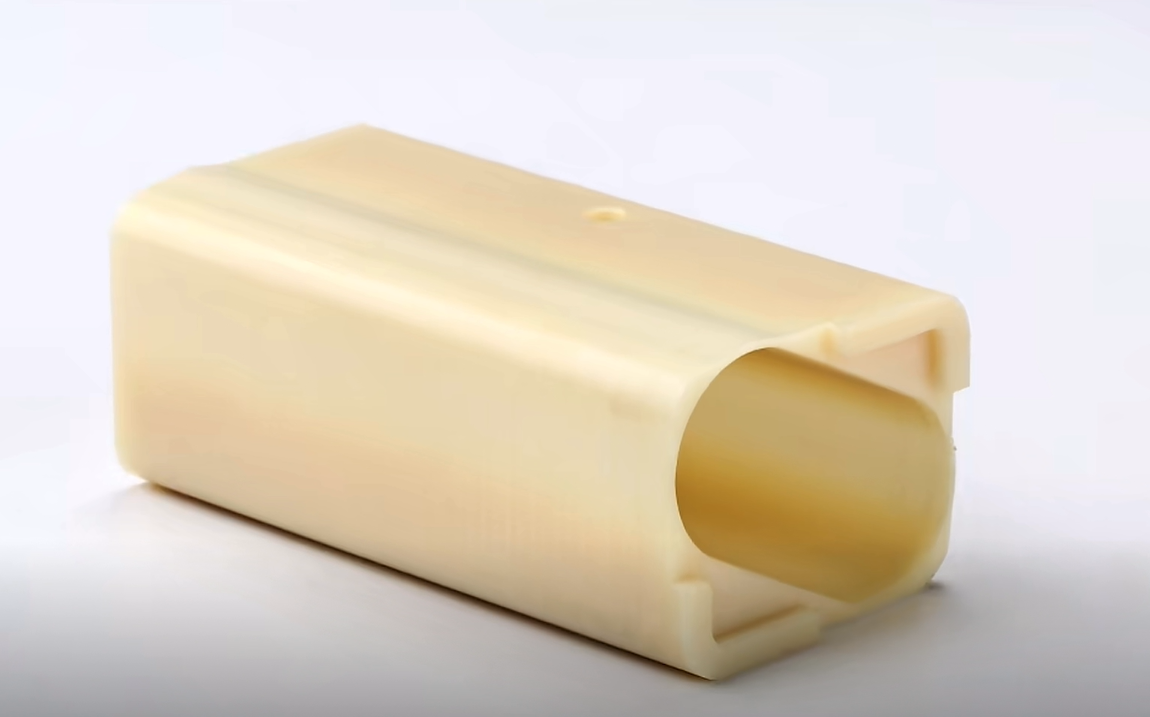
1018 · 1045 · 4140 · D2Engineering Plastics
Low weight, insulation, chemical resistance and low friction for precision components.
PEEK · POM · PTFE · Nylon · ABS · PCDFM review before the first cut.
Small design decisions can affect tool access, machining time, tolerance stability and part cost. Our engineering review identifies practical opportunities before manufacturing.
Use practical corner radii and provide clearance for cutting tools.
Review aspect ratios, vibration risk, wall movement and tool reach.
Apply tight tolerances only to functional features and define clear datums.
Identify critical faces, cosmetic zones and measurable requirements.
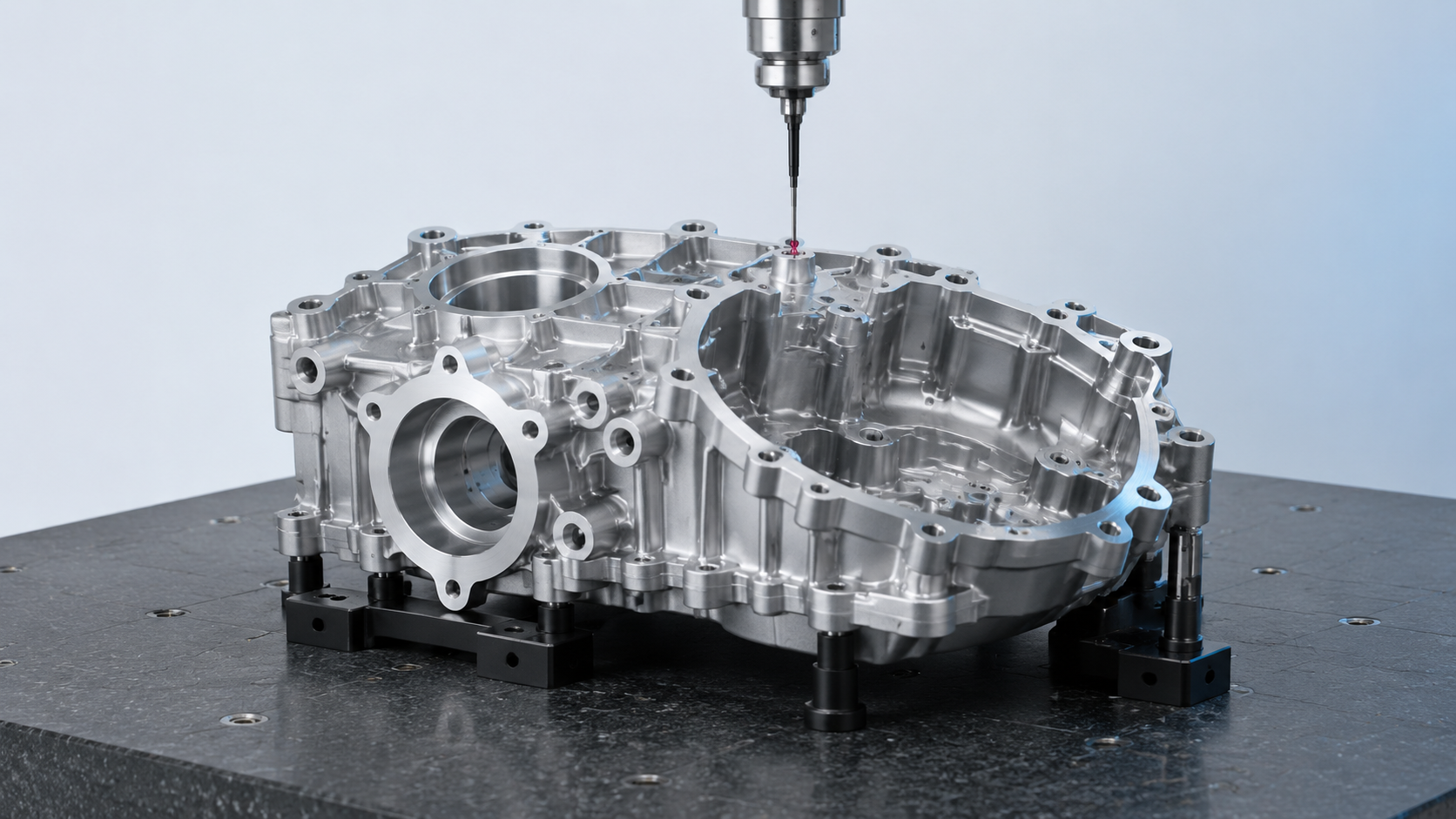
Milling accuracy verified with controlled inspection.
Inspection planning is matched to drawing requirements, functional interfaces and production quantity.
Material identification and certificates can be managed to project requirements.
Datums, critical features and process stability are checked during machining.
CMM, optical measurement, gauges, micrometers and calipers support validation.
Inspection reports can be supplied when specified during quotation.
From drawing to inspected milled parts.
A connected process supports clear technical decisions and repeatable manufacturing.
Submit Files
CAD, drawing, material and quantity.
DFM Review
Geometry, datums and tolerance analysis.
Process Planning
Machine, setup, tooling and inspection plan.
CNC Milling
Programming and controlled machining.
Inspection
Dimensions, finish and documentation.
Delivery
Protected packing and shipment.
Common milling project questions.
Send your 3D model and drawing for the most accurate manufacturability, tolerance and quotation review.
What is the difference between 3-axis, 4-axis and 5-axis CNC milling?
3-axis milling moves the cutting tool along X, Y and Z and is efficient for accessible features. 4-axis machining adds rotary positioning for features around a part. 5-axis machining changes tool orientation to reach complex angles, contours and multiple faces with fewer setups.
What maximum CNC milling part size can you support?
The published maximum milling capacity is approximately 1200 × 800 × 500 mm. Actual workable size depends on geometry, required travel, workholding, tool access and tolerance, so large parts should be reviewed individually.
What CNC milling tolerances are available?
Standard tolerances can follow ISO 2768-m. Selected critical dimensions may be produced to tighter tolerances such as ±0.005 mm when material, geometry, feature size and inspection access allow.
Which materials can be CNC milled?
Common materials include aluminum, stainless steel, carbon steel, tool steel, titanium, brass, copper, bronze and engineering plastics such as PEEK, POM, PTFE, nylon, ABS and polycarbonate.
Can you mill prototypes and low-volume production parts?
Yes. JC Precision Craft supports one-off prototypes, engineering validation builds, pilot production, bridge manufacturing and repeat batches.
Which files should I send for a CNC milling quote?
Send a STEP or STP 3D model plus a dimensioned PDF or DWG drawing. Include material, quantity, surface finish, critical tolerances, threads, inspection documents and delivery requirements.
Can finishing and inspection reports be included?
Yes. Anodizing, plating, powder coating, passivation, polishing and other finishes can be coordinated. Dimensional reports and material certificates can also be supplied when specified before quotation.
Ready to machine your custom milled parts?
Send your CAD files, drawings, material, quantity, tolerance and finish requirements for engineering review.