Precision manufacturing formedical innovation.
High-precision CNC machining for surgical instruments, diagnostic equipment, orthopedic systems, laboratory devices and custom healthcare components—from functional prototype to repeat production.
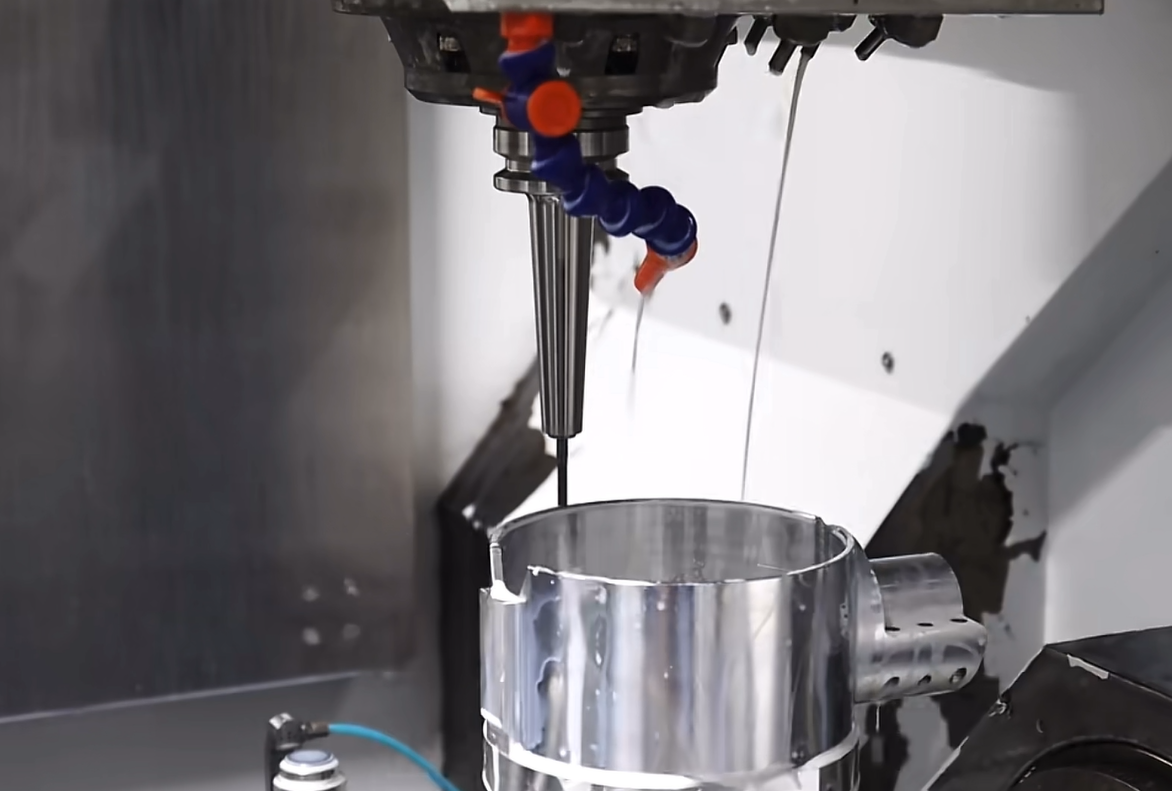
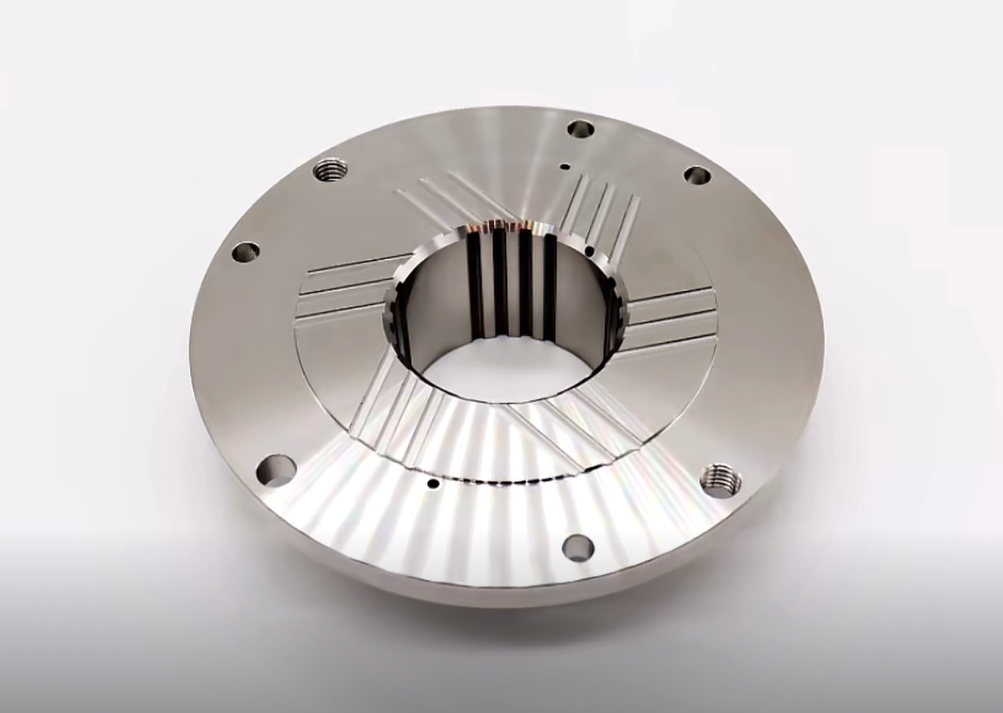
Complex medical components with controlled dimensions and consistent finishes.
Medical device components require tight dimensional control, clean details, dependable materials and reliable production consistency. JC Precision Craft supports medical equipment manufacturers and engineering teams with parts manufactured directly from customer CAD data and controlled drawings.
Our connected workflow covers DFM review, CNC milling, CNC turning, rapid prototyping, surface finishing, dimensional inspection and scalable production.
Medical components we manufacture.
From early engineering samples to repeat-production components, we match the machining process, material, finish and inspection plan to each application.
Surgical Equipment Parts
Small, detailed components for powered and manual surgical systems.
- Instrument handles and bodies
- Guide and alignment parts
- Precision shafts and sleeves
- Custom surgical hardware
Diagnostic Equipment
Accurate structural and motion components for diagnostic platforms.
- Imaging equipment housings
- Sensor mounts and brackets
- Optical alignment components
- Stages and positioning parts
Orthopedic Components
Precision-machined parts for orthopedic systems and development tooling.
- Instrument components
- Trial and sizing parts
- Drill guides and fixtures
- Titanium components
Laboratory & Healthcare
Custom components and enclosures for laboratory and healthcare equipment.
- Fluidic manifolds
- Sample handling parts
- Device housings and panels
- Low-volume assemblies
Processes matched to medical device requirements.
Choose one process or combine precision machining, prototyping and finishing through a coordinated manufacturing program.
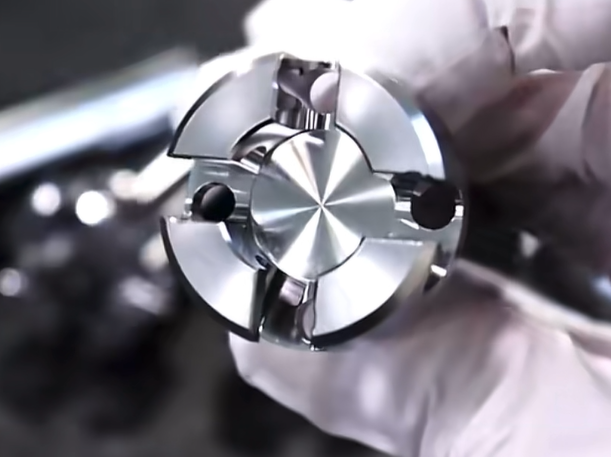
CNC Milling
3-axis, 4-axis and 5-axis milling for complex housings, brackets and structural parts.
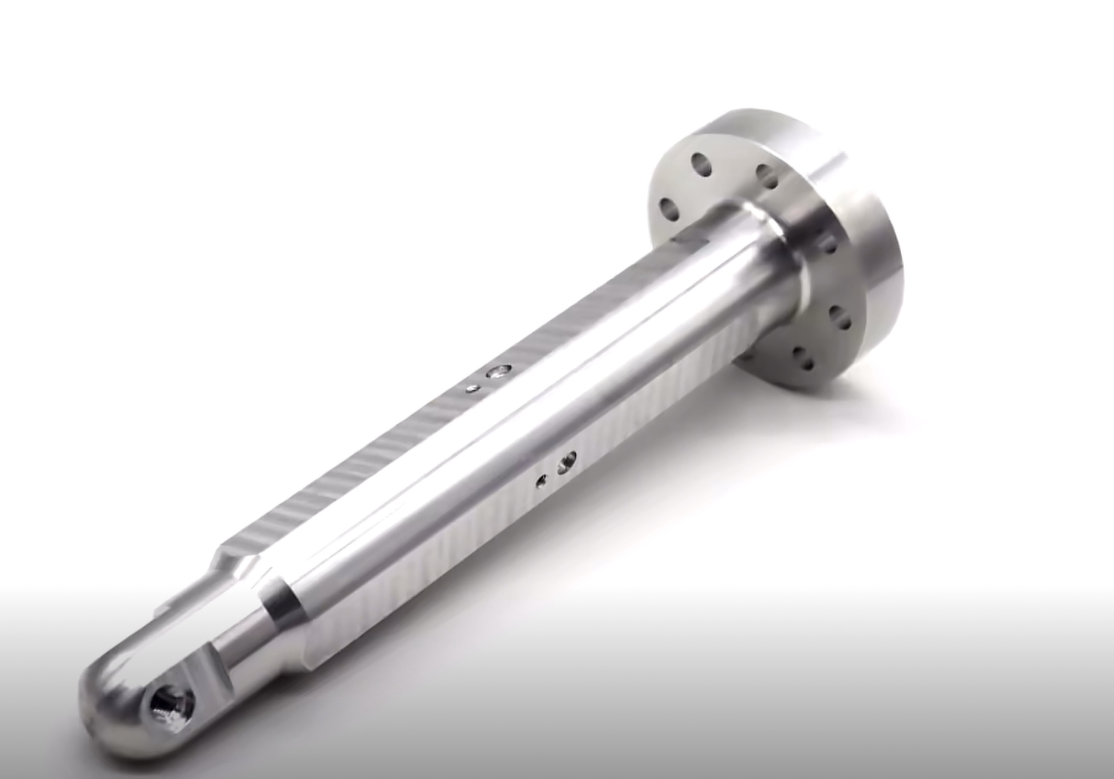
CNC Turning
Precision turning for shafts, sleeves, bushings, fittings and rotational components.
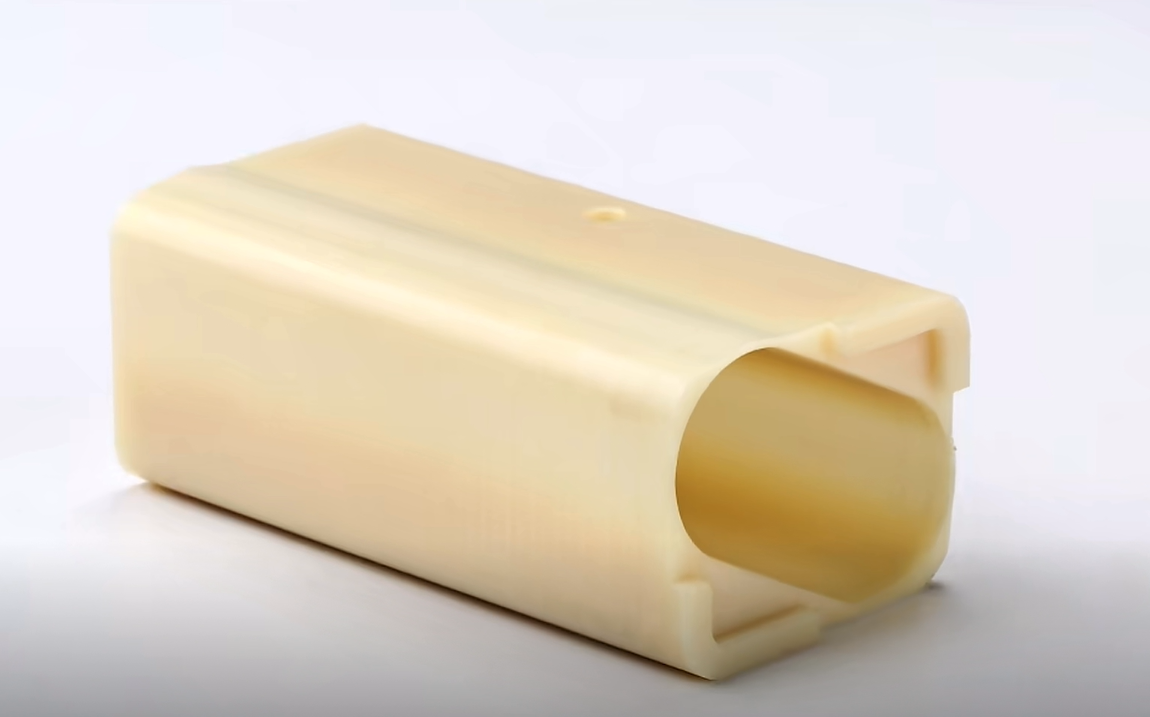
Rapid Prototyping
Functional prototypes for medical device design verification, assembly testing and engineering evaluation.
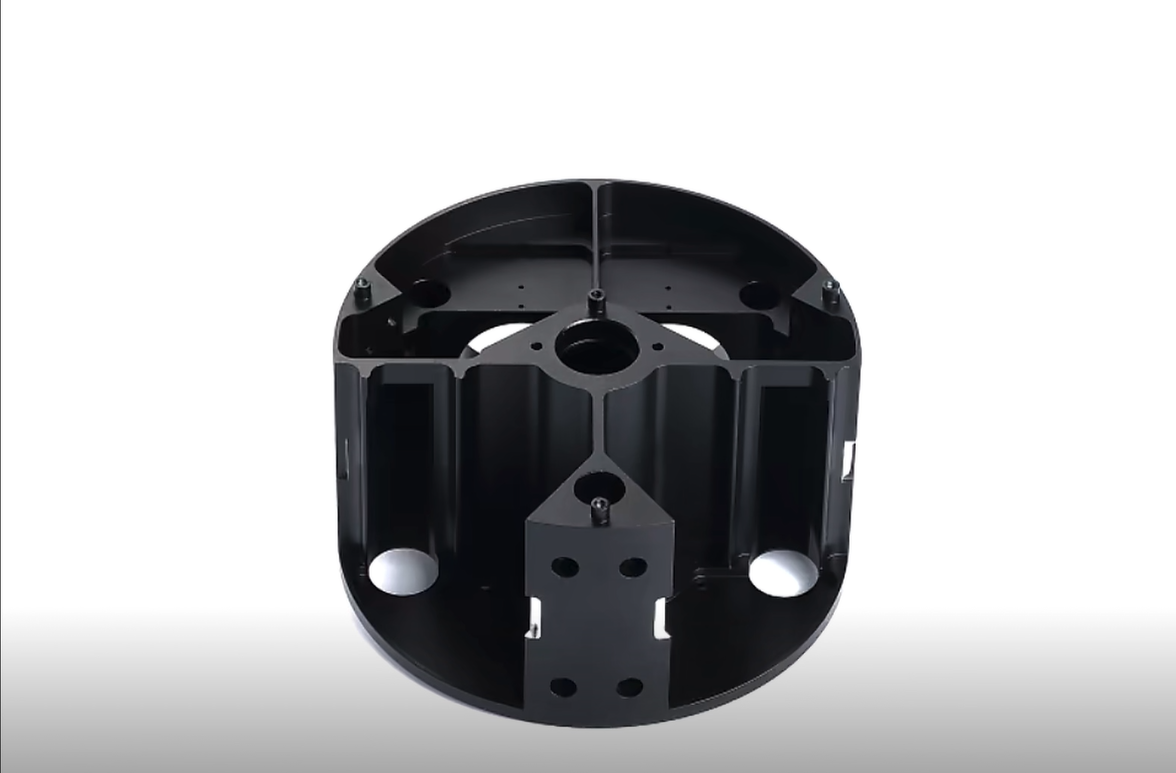
Surface Finishing
Anodizing, plating, polishing, blasting and powder coating for functional finishes.
Medical materials selected for performance.
Material and finish recommendations consider strength, corrosion resistance, weight, chemical exposure, dimensional stability, appearance and documented project requirements.
Machining Materials
Additional grades can be sourced according to drawing, specification and certification requirements.
Surface Finishes
Finish specifications can include color, gloss, coating thickness and protected critical dimensions.
Consistency verified throughout production.
Inspection planning is based on part function, tolerance, production quantity and customer documentation requirements.
Critical dimensions, datums, materials and finish notes are reviewed before production.
CMM, optical systems, gauges, micrometers and calipers support dimensional validation.
Dimensional reports and material documentation can be supplied when specified at quotation.
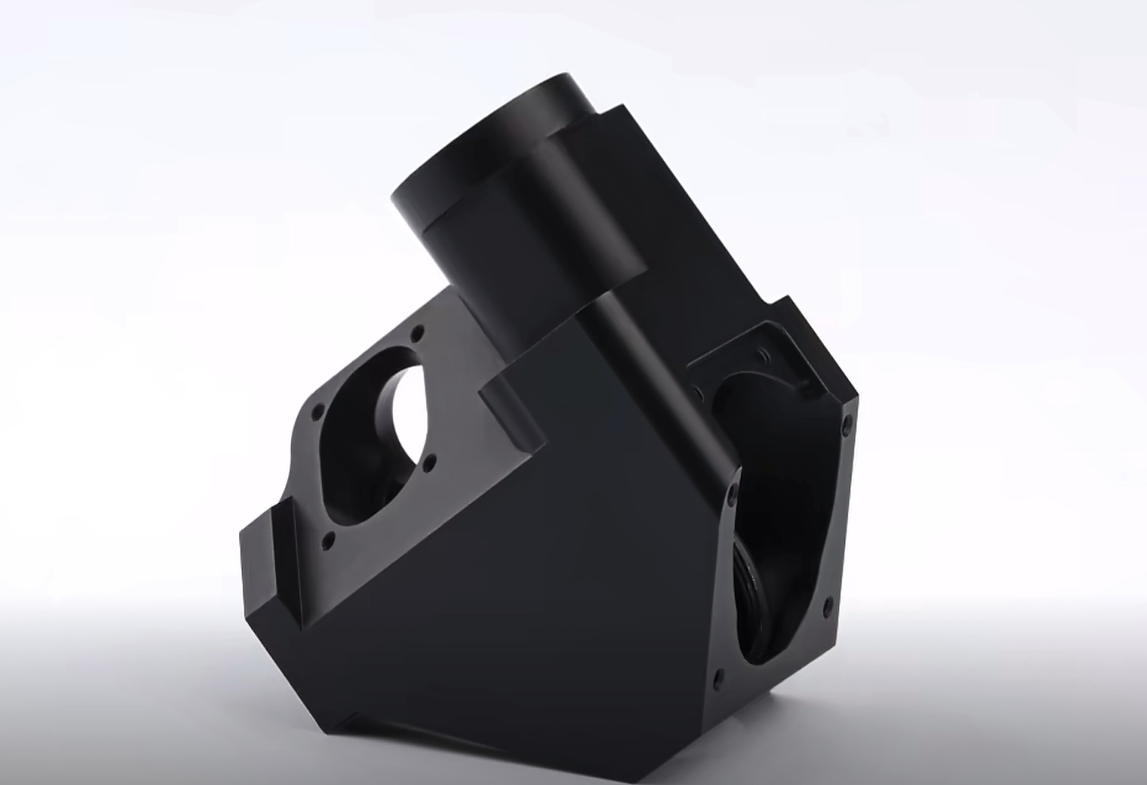
From medical devices CAD data to inspected parts.
A connected process reduces technical uncertainty and supports a smoother transition from prototype development to repeat production.
Project Review
CAD files, drawings, quantity and application.
DFM Analysis
Geometry, tolerance and process feedback.
Prototype
Functional parts for fit and validation.
Production
Controlled machining and fabrication.
Inspection
Dimensional and finish verification.
Delivery
Protected packing and global shipment.
Common project questions.
Share your drawing for the most accurate process, tolerance, lead-time and cost review.
What medical device components can JC Precision Craft manufacture?
We manufacture surgical instrument parts, diagnostic equipment housings, sensor mounts, optical alignment components, orthopedic instrument parts, drill guides, laboratory manifolds, device enclosures, precision shafts, sleeves and other custom medical equipment components made to customer drawings.
What file formats are accepted for medical devices projects?
STEP, STP, STL, DWG, DXF and PDF files are commonly accepted. Supplying a 3D model together with a dimensioned 2D drawing helps identify critical tolerances, threads, surface finishes and inspection requirements.
Can you support medical devices prototypes and low-volume production?
Yes. Services cover one-off functional prototypes, engineering validation parts, pilot builds, bridge production and repeat manufacturing. The recommended process depends on geometry, material, quantity and target lead time.
What machining tolerances are available?
Standard tolerances can follow ISO 2768-m, while selected critical dimensions may be produced to tighter tolerances such as ±0.005 mm when geometry, material, size and inspection access allow. Every tight-tolerance requirement should be reviewed before quotation.
Can inspection reports and material certificates be provided?
Dimensional inspection reports, material certificates and other quality documents can be provided when specified during quotation. Documentation scope should be confirmed before production so it can be included in the inspection plan.
How quickly can medical devices CNC parts be produced?
Typical CNC machining lead times may range from approximately 3–10 business days, depending on part complexity, material availability, quantity, finishing and inspection requirements. A drawing review is required for a confirmed schedule.
Start your medical devices machining project.
Send your CAD files, material, quantity, tolerance and finish requirements for engineering review and quotation.