Precision CNC turning.Round parts made consistently.
CNC turning, live-tool turning, multi-axis turning and Swiss machining for custom shafts, bushings, sleeves, fittings, connectors and small precision components.
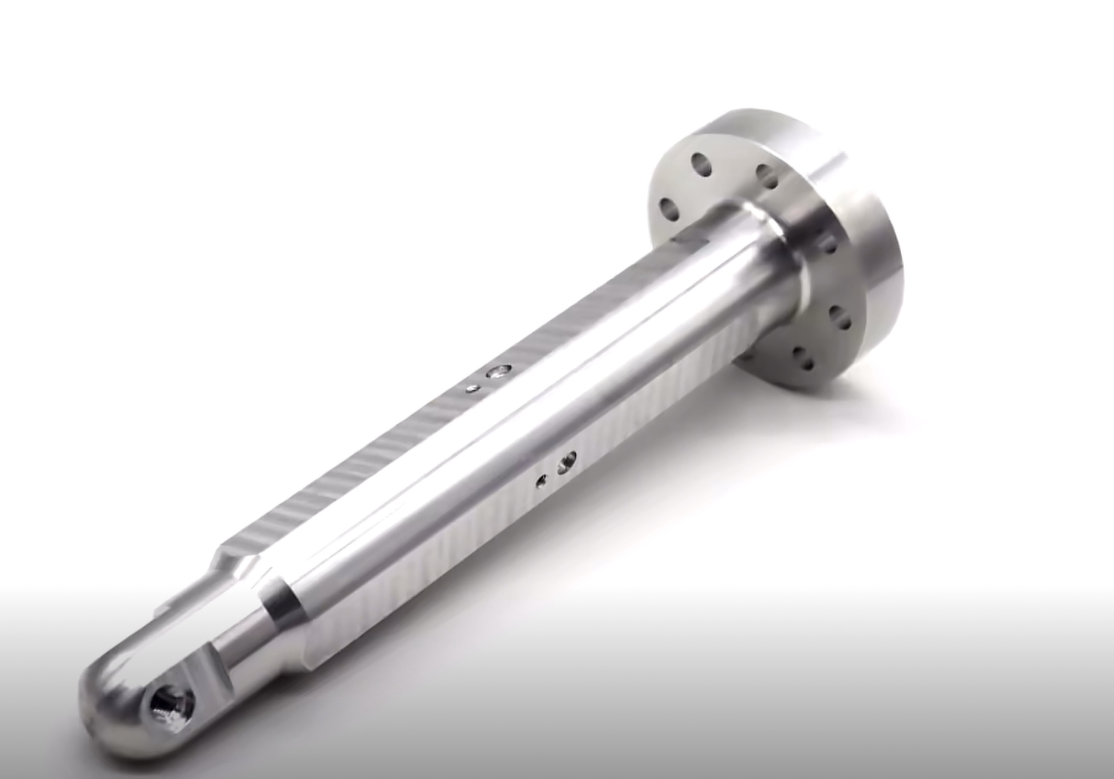
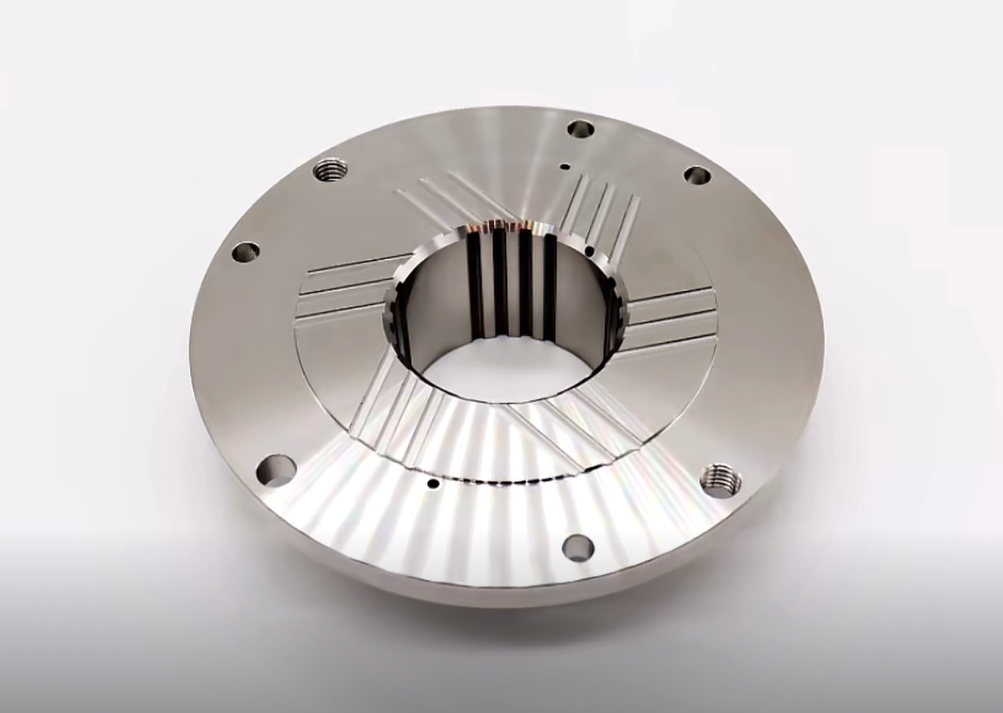
Accurate diameters, threads and concentric features.
JC Precision Craft manufactures custom turned parts from customer CAD files and drawings. CNC turning is ideal for rotational components requiring controlled diameter, concentricity, runout, threads, grooves, bores and surface finish.
Live tooling and multi-axis machines can add milled flats, cross holes, slots and off-center features in fewer setups, helping improve feature relationship and production efficiency.
Turning processes matched to part complexity.
Machine configuration is selected according to diameter, length, feature access, tolerance, production quantity and setup efficiency.
2-Axis CNC Turning
Efficient turning for standard rotational geometry and accessible axial features.
- Shafts and bushings
- Sleeves and spacers
- Threads and grooves
Live-Tool Turning
Turning combined with drilling, tapping and milling in a coordinated setup.
- Cross holes and flats
- Slots and bolt patterns
- Reduced secondary setups
Multi-Axis Turning
Advanced turning centers for complex geometry and multi-operation components.
- Off-center features
- Complex profiles
- Improved feature accuracy
Swiss CNC Turning
Precision machining for small, slender and complex parts with length-to-diameter challenges.
- Miniature shafts and pins
- Medical and electronic parts
- High repeatability
Rotational components built to drawing.
CNC turning supports both simple cylindrical parts and complex components combining axial, radial and milled features.
Shafts & Pins
Bearing journals, steps, grooves, threads and controlled runout.

Bushings & Sleeves
Accurate bores, wall thickness, concentricity and mating diameters.

Fittings & Connectors
Internal passages, sealing faces, threads and wrench flats.

Miniature Components
Small pins, terminals, nozzles and instrument components.
Materials for mechanical, thermal and electrical performance.
Material selection considers machinability, strength, corrosion, temperature, conductivity, wear and production cost.
Aluminum
Lightweight and machinable for housings, spacers, fittings and automotive parts.
6061 · 7075 · 2024Stainless Steel
Strength and corrosion resistance for medical, industrial and fluid applications.
304 · 316 · 17-4PHBrass & Copper
Excellent machinability and conductivity for connectors, valves and terminals.
Brass C360 · Copper C110 · BronzeTitanium
High strength-to-weight ratio for aerospace and medical precision components.
Grade 2 · Grade 5 / Ti-6Al-4VCarbon & Alloy Steel
Durability and load capacity for shafts, hardware and machinery parts.
1018 · 1045 · 4140Engineering Plastics
Low friction, insulation and chemical resistance for functional turned parts.
PEEK · POM · PTFE · Nylon · PCDesign decisions that improve turning efficiency.
A practical DFM review can reduce setups, stabilize slender features and prevent unnecessary cost.
Slender parts may need Swiss machining, support tooling or revised geometry.
Define thread standards, reliefs, runouts, groove widths and inspection method.
Deep bores and thin walls require tool-access and deflection review.
Apply critical tolerances to functional interfaces and define clear datums.
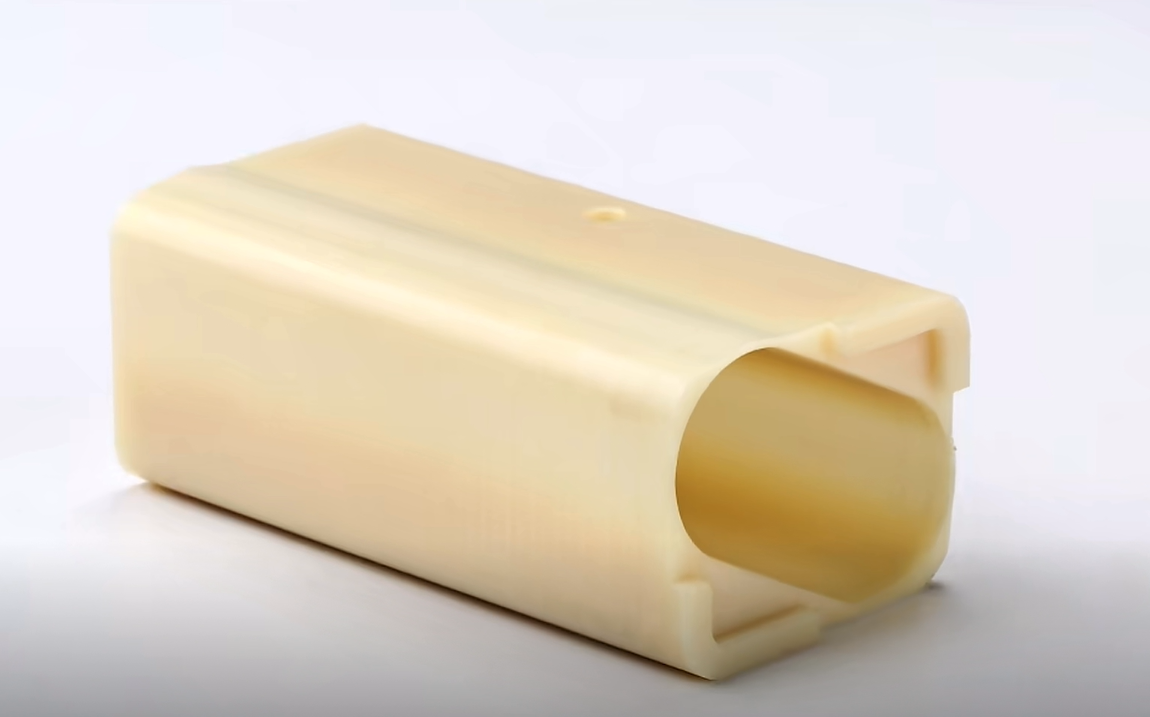
Precision turned parts across industries.
Custom turning supports components where diameter, fit, sealing, rotation and repeatability are critical.
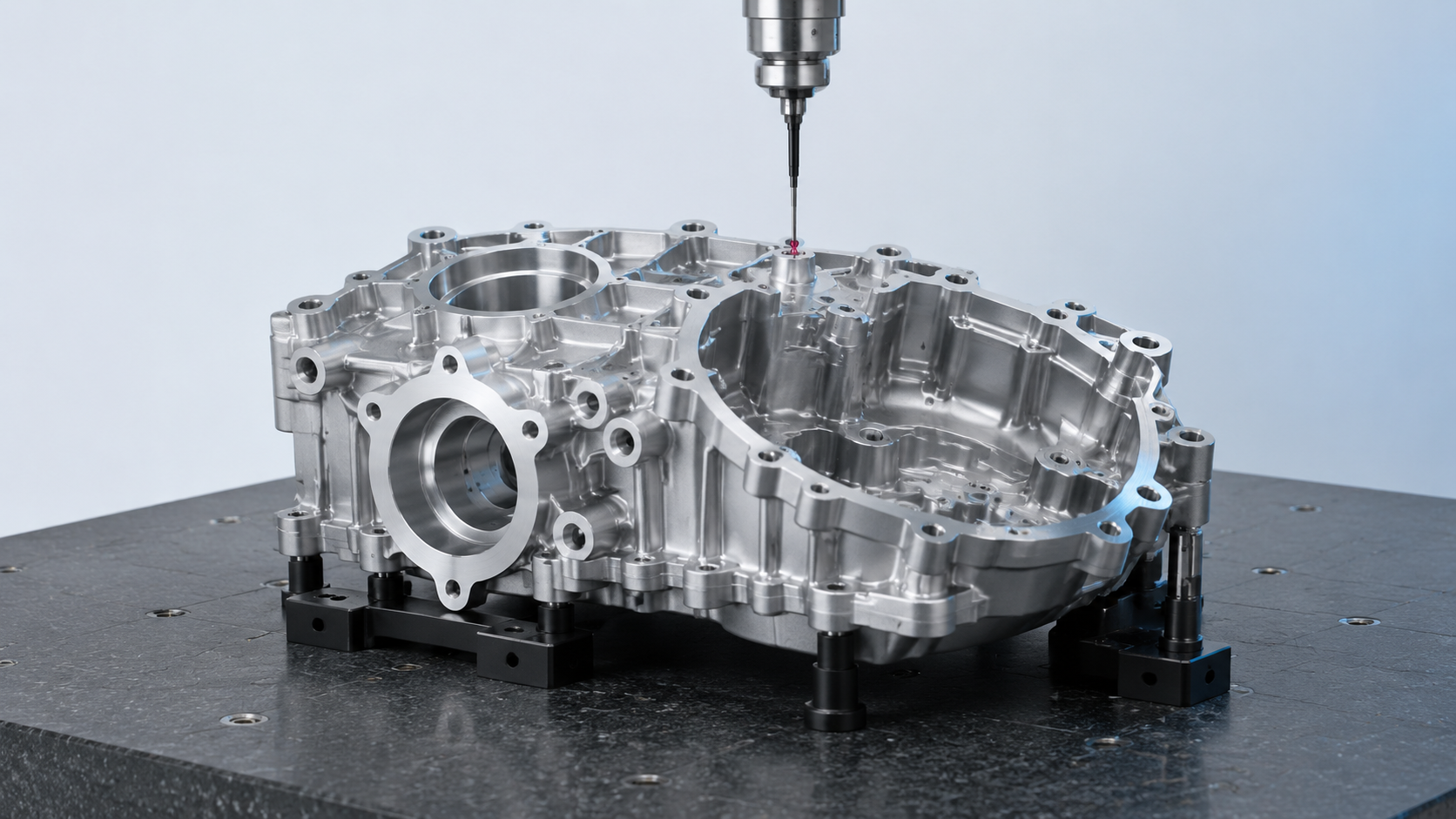
Critical diameters and relationships verified.
Inspection is planned around part function, drawing requirements and production quantity.
Material, threads, datums and critical characteristics are confirmed.
Diameter, length, runout and tool-wear risks are monitored.
CMM, optical systems, gauges, micrometers and calipers support measurement.
Inspection reports and certificates can be provided when specified.
From drawing to inspected turned parts.
A connected workflow supports stable machining and clear project communication.
Submit Files
CAD, drawing, material and quantity.
DFM Review
Geometry, tolerance and tool access.
Process Plan
Machine, stock, tooling and inspection.
CNC Turning
Setup and controlled production.
Inspection
Dimensions, runout and finish.
Delivery
Protected packing and shipment.
Common turning project questions.
Send your 3D model and drawing for a specific manufacturability and quotation review.
What is the maximum CNC turning size?
The published turning capacity is approximately 300 mm maximum diameter and 1000 mm maximum length. Actual workable size depends on part geometry, chucking, tooling, support, material and tolerance.
What is live-tool CNC turning?
Live-tool turning combines lathe operations with driven milling, drilling and tapping tools. It can add flats, cross holes, slots and other non-rotational features without transferring the part to a separate milling setup.
When should Swiss CNC turning be used?
Swiss machining is useful for small, slender or complex components that need close support near the cutting zone. Typical applications include medical pins, electronic connectors, miniature shafts and precision fittings.
What CNC turning tolerances are available?
Standard tolerances can follow ISO 2768-m. Selected critical dimensions may be produced to tighter tolerances such as ±0.005 mm after review of material, size, geometry and inspection access.
Which materials can be CNC turned?
Common materials include aluminum, stainless steel, carbon and alloy steel, titanium, brass, copper, bronze and engineering plastics such as PEEK, POM, PTFE, nylon and polycarbonate.
Can prototypes and high-volume turned parts be produced?
Yes. JC Precision Craft supports one-off prototypes, validation builds, low-volume batches and repeat production. The appropriate machine and stock form depend on geometry and quantity.
Which files are required for a CNC turning quote?
Send a STEP or STP model plus a dimensioned PDF or DWG drawing. Include material, quantity, threads, surface finish, critical tolerances, inspection documentation and delivery requirements.
Ready to manufacture your custom turned parts?
Send your CAD files, drawings, material, quantity, tolerance and finish requirements for engineering review.